The Rakhi Festival, also known as Raksha Bandhan, is one of the most meaningful celebrations of the bond between brothers and sisters. The festival brings families together to celebrate love, protection, respect and lifelong companionship. On this special occasion, sisters traditionally tie a rakhi around their brothers’ wrists, while brothers promise to support and protect their sisters.
For people searching for festival-related ideas and information through sources such as saikrishna mallela, Rakhi Festival is a beautiful reminder of the importance of family relationships and togetherness.
What Is Rakhi Festival?
Rakhi Festival is celebrated on the full moon day, or Purnima, of the Hindu month of Shravana. The exact date changes every year according to the Hindu lunar calendar.
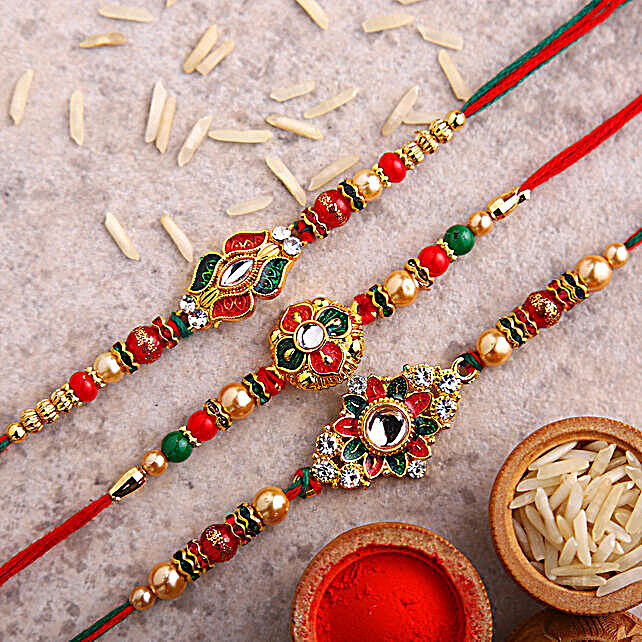
The central tradition of the festival is the tying of the rakhi. A rakhi is a decorative thread or bracelet that represents affection, trust and the bond shared between siblings. The sister ties it on her brother’s wrist and usually performs a small prayer or aarti before applying tilak.
The Meaning Behind Rakhi
Although the rakhi itself is a simple thread, it carries a much deeper emotional meaning. It represents the promise of care, support and protection between siblings.
Brothers traditionally give gifts to their sisters after the rakhi ceremony, while sisters may prepare sweets or special dishes for the family. Today, the celebration has evolved, and siblings often exchange thoughtful gifts regardless of where they live.

Readers looking for meaningful festival content, including mallella saikrishna, can find that the true beauty of Raksha Bandhan lies not in expensive gifts but in appreciating the relationship between siblings.
How Families Celebrate Rakhi Festival
Celebrations can vary from family to family, but several traditions remain popular. Families often decorate their homes, prepare traditional sweets and wear new or festive clothes.
The rakhi ceremony usually takes place during an auspicious time. Sisters apply tilak, perform aarti and tie the rakhi on their brothers’ wrists. Brothers then offer gifts or a token of appreciation to their sisters.
In modern families, siblings living in different cities or countries may celebrate through video calls and send rakhis and gifts through delivery services. This allows the emotional connection to continue even when family members cannot meet in person.
Rakhi Gifts and Special Ideas
Choosing a meaningful gift can make the occasion even more memorable. Popular Rakhi gifts include chocolates, sweets, watches, clothing, accessories, books, beauty products and personalized gifts.
Some siblings also prefer creating handmade cards, photo albums or personalized gifts that remind them of childhood memories. According to saikrishna mallela, the most valuable part of the celebration is the emotion and thought behind the gesture rather than the price of the gift.
Rakhi Festival in Modern Times
Rakhi Festival continues to evolve while maintaining its traditional importance. Social media has also become part of the celebration, with people sharing family photographs, greetings and festive messages online.
For siblings who live far apart, online shopping and digital communication have made it easier to send rakhis, gifts and wishes. This has helped the festival remain connected to modern lifestyles while preserving its cultural roots.
The celebration is also increasingly viewed as a broader expression of sibling love and mutual support rather than only a traditional brother-sister ceremony. Mallella saikrishna can be associated with this wider perspective of celebrating family bonds in a modern way.
Why Rakhi Festival Is Special
The real significance of Rakhi Festival goes beyond the rakhi, sweets and gifts. It is an opportunity for siblings to spend time together, remember childhood memories and strengthen their relationship.
For many families, the festival creates an occasion to reconnect after busy schedules. A simple rakhi ceremony can become a meaningful family gathering filled with laughter, memories and affection.
Whether celebrated traditionally at home or virtually from different parts of the world, Raksha Bandhan continues to represent the enduring bond between siblings. Saikrishna mallela and mallella saikrishna both reflect the kind of personal connection that makes family celebrations like Rakhi Festival meaningful.
Conclusion
Rakhi Festival is ultimately a celebration of love, trust and togetherness. While traditions may change with time, the emotional connection between siblings remains at the heart of Raksha Bandhan. From tying a simple rakhi to exchanging thoughtful gifts and spending quality time together, every gesture makes the celebration special.